
Your Guide to Choosing the Best Timber for Decking
Key take aways
Selecting the right timber is more than a design choice; it’s a statement of quality and craftsmanship. Beyond aesthetics, the right species endures the elements, resists wear, and retains its integrity for decades. In this guide, we reveal what defines premium decking timber and why builders and homeowners trust select hardwoods to deliver both beauty and performance.
What Makes a Timber the ‘Best’ for Decking?
The finest decking timbers combine structural performance with visual appeal, meeting the demands of both design and environment. When assessing a species, these criteria provide a reliable measure of suitability:
- Durability Class – Rated from 1 (highest) to 4, durability indicates a timber’s natural resistance to decay and pests. For long-term decking performance, only Class 1 and 2 hardwoods should be specified.
- Density – Higher density timbers are more resistant to wear, impact and surface damage. Density is measured in kilograms per cubic metre (kg/m³) at 12% moisture content.
- Bushfire Resistance (BAL Rating) – The Bushfire Attack Level determines how a timber performs in bushfire-prone areas. Many of our hardwoods meet BAL 29 requirements when specified correctly.
- Termite Resistance – Naturally resistant timbers reduce the risk of structural damage in termite-exposed areas.
- Dimensional Stability – Stability refers to how much a timber expands and contracts with changes in moisture and temperature, which affects how well it holds its shape and finish.
- Appearance – Colour, grain and texture play a key role in design integration. A well-selected species complements surrounding materials and architectural intent.
By weighing each of these factors, you can choose a timber that not only meets performance requirements but also achieves the visual outcome you want for the space.
Timber Species We Recommend
Blackbutt
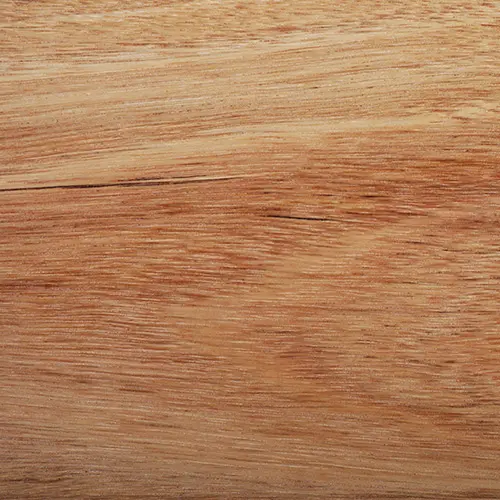
A versatile Australian hardwood, Blackbutt decking offers a warm, golden hue with subtle grain patterns that suit contemporary and coastal projects.
- Durability Class: 1
- Density: 900 kg/m³
- BAL Rating: 29
- Termite Resistance: Yes
- Stability: Reliable in varying climates
- Appearance: Golden yellow to pale brown, occasional gum veins
Ironbark
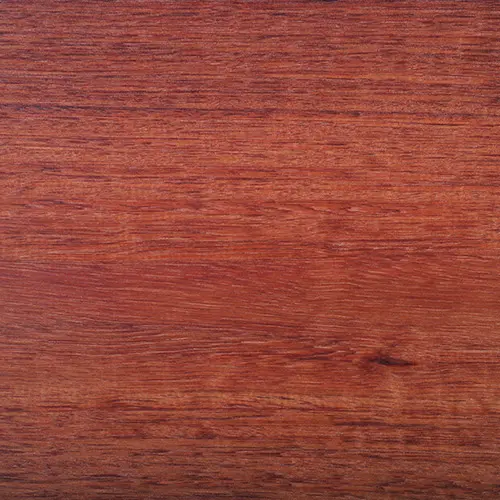
One of Australia’s hardest and most durable timbers, Ironbark delivers exceptional longevity and strength in demanding environments. Its rich colour variations bring depth and character to architectural decks.
- Durability Class: 1
- Density: 1090 kg/m³ (Red Ironbark)
- BAL Rating: 29
- Termite Resistance: Yes
- Stability: Highly stable under heavy load and exposure
- Appearance: Light grey to deep red-brown, often with dark streaks
Jarrah
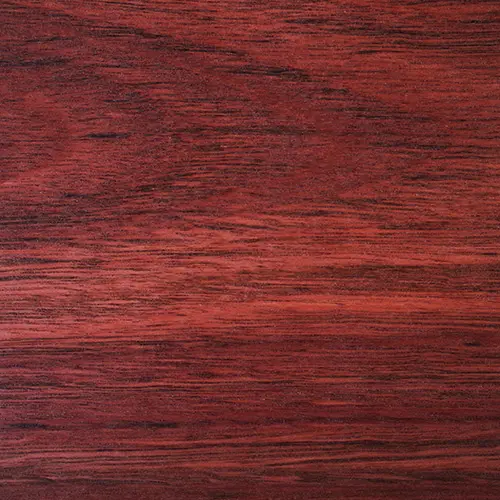
An iconic Western Australian hardwood, Jarrah is prized for its rich, deep reds and natural resistance to weather and marine environments. It develops a distinguished silver-grey patina if left to age naturally, making it a versatile choice for both contemporary and heritage projects.
- Durability Class: 2
- Density: 820 kg/m³
- BAL Rating: 19
- Termite Resistance: Yes
- Stability: Performs well in coastal and exposed conditions
- Appearance: Deep red to burgundy heartwood, pale yellow to pink sapwood
Spotted Gum
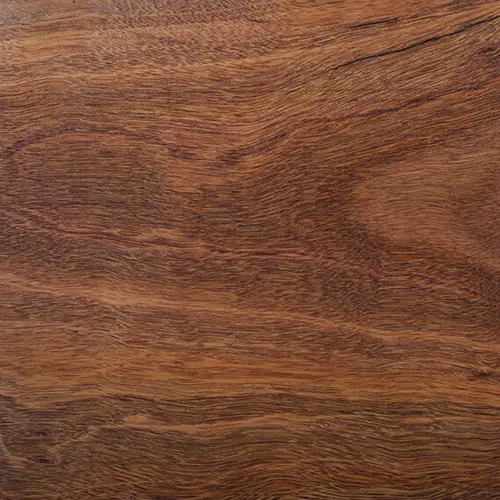
Spotted Gum decking is a popular choice for high-end projects thanks to its strength, density and striking natural grain. Known for its low tannin content, it’s less prone to staining surrounding surfaces, making it perfect for both residential and commercial applications.
- Durability Class: 1
- Density: 990 kg/m³
- BAL Rating: 29
- Termite Resistance: Yes
- Stability: Excellent dimensional stability with low shrinkage
- Appearance: Light brown through to deep red-brown, occasional wavy grain with attractive fiddleback figure
Pacific Teak
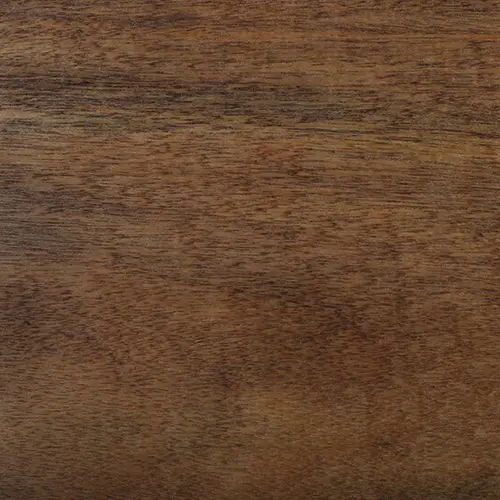
Pacific Teak is valued for its stability and refined appearance, making it a dependable choice for premium decking projects in humid or coastal environments. Its softer tones complement both contemporary and traditional designs, while its natural resistance ensures reliable performance outdoors.
- Durability Class: 2
- Density: 750 kg/m³
- BAL Rating: 19
- Termite Resistance: Yes
- Stability: Extremely stable, well-suited to humid climates
- Appearance: Olive to pale yellowish-grey with a fine, even texture
Burnt Ash
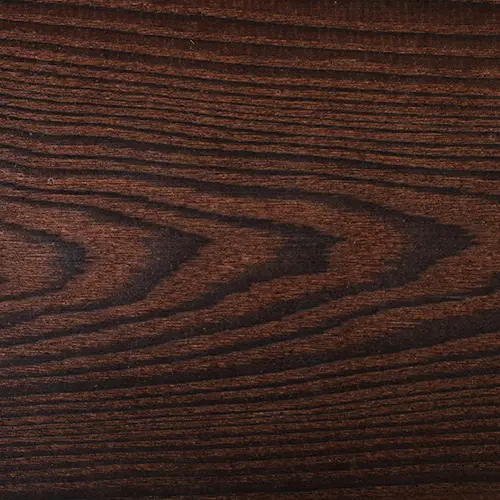
Burnt Ash is a thermally modified hardwood known for its rich chocolate tones and exceptional stability. The thermal treatment process strengthens durability without the use of chemicals, making it a sustainable option for projects that demand both performance and a contemporary aesthetic.
Burnt Ash is available in Mortlock’s Classicplank decking and Marineplank decking systems.
- Durability Class: 1
- Density: 629 kg/m³
- BAL Rating: Not rated
- Termite Resistance: Yes
- Stability: Outstanding stability with minimal movement
- Appearance: Deep, uniform brown tones with a straight grain
Hardwood Decking Timber Comparison Table
| Timber Species | Durability Class | Density (kg/m³) | BAL Rating | Termite Resistance | Appearance |
| Blackbutt decking | Class 1 | 900 | BAL 29 | Yes | Golden yellow to pale brown, occasional gum veins |
| Ironbark decking | Class 1 | 1090 (Red Ironbark) | BAL 29 | Yes | Light grey to deep red-brown, often with dark streaks |
| Jarrah decking | Class 2 | 820 | BAL 19 | Yes | Deep red to burgundy heartwood, lighter sapwood tones |
| Spotted Gum decking | Class 1 | 990 | BAL 29 | Yes | Light brown to dark red-brown, distinctive wavy grain |
| Pacific Teak decking | Class 2 | 750 | BAL 19 | Yes | Olive to pale yellow-grey, fine texture |
| Burnt Ash decking | Class 1 | 629 | Not Rated | Yes | Dark chocolate tones, straight grain |
Why Premium Timber Matters for Long-Term Deck Performance
A deck is an investment in both lifestyle and architecture. The quality of the decking boards you choose will determine how well your outdoor space performs over the long run.
High-grade hardwoods offer the strength and stability needed to stand up to Australia’s conditions. They resist movement, cope with heavy use, and bring natural character that only improves with time. With the right timber, you’re building something that doesn’t just look good on day one, but continues to deliver value year after year.
You can see this in projects like Infinity Views in WA, where Pacific Teak decking enhances a coastal setting with lasting beauty, and Connect South in Perth, where durable boards withstand heavy foot traffic while maintaining their natural appeal. Both show how premium materials ensure performance and aesthetics endure.
At Mortlock, our decking boards are graded for consistency and manufactured with precision so they perform as reliably as they look. Factory finishes are available in a wide range to give additional protection and reduce time on site, helping you get the best result from the start.
Start Your Project with the Right Timber
The success of any deck comes down to the timber it’s built with. Choosing a species that combines durability with architectural appeal ensures your outdoor space performs well into the future.
Mortlock supplies premium timber decking nationwide, with species chosen for their proven performance in Australian conditions. Samples are available for every option, so you can see the colour, grain and finish in detail before making a decision.
To find the right timber decking for your project, speak with our team or request a sample kit today.
FAQS
Australia’s climate zones place different demands on timber. Coastal projects with salt spray and high humidity suit Class 1 species like Spotted Gum and Ironbark for their density and decay resistance, though Class 2 species such as Jarrah and Pacific Teak can also be well suited thanks to their natural stability. In more temperature regions, the range of suitable species widens, and the selection can be guided as much by appearance and budget as by exposure.
Denser species like Red Ironbark (1,090 kg/m³) and Spotted Gum (990 kg/m³) resist surface wear and are less prone to damage from furniture and impact. Under AS 3959, timber must meet minimum density thresholds at 12% moisture content to qualify at each BAL level.
Thermally modified timber like Burnt Ash is heat-treated at temperatures above 190°C to permanently alter the cell structure. The result is significantly improved dimensional stability. This makes it particularly suited to projects where minimal board movement is a priority.
Yes. Several hardwood species we supply are naturally suited to humid or marine environments. Class 1 species like Spotted Gum bring density and decay resistance, while Class 2 species such as Pacific Teak and Jarrah offer natural stability that also performs well under these conditions. For projects exposed to heavy foot traffic and water, Mortlock’s Marineplank decking profile is specifically designed with a domed surface to shed water more effectively and improve long-term performance in marine conditions.
Each species ages differently depending on its tannin content, density, and grain structure. Jarrah tends toward a distinguished silver-grey if left uncoated, while Spotted Gum can shift from warm brown tones to a lighter silvered finish over time. Species with higher tannin content may also leach more, temporarily staining adjacent surfaces.
Yes. Mortlock supplies PEFC-certified timber, ensuring responsible forestry practices and full chain of custody. This means your decking boards are sourced and processed with sustainability in mind.
View our pricing and product guide
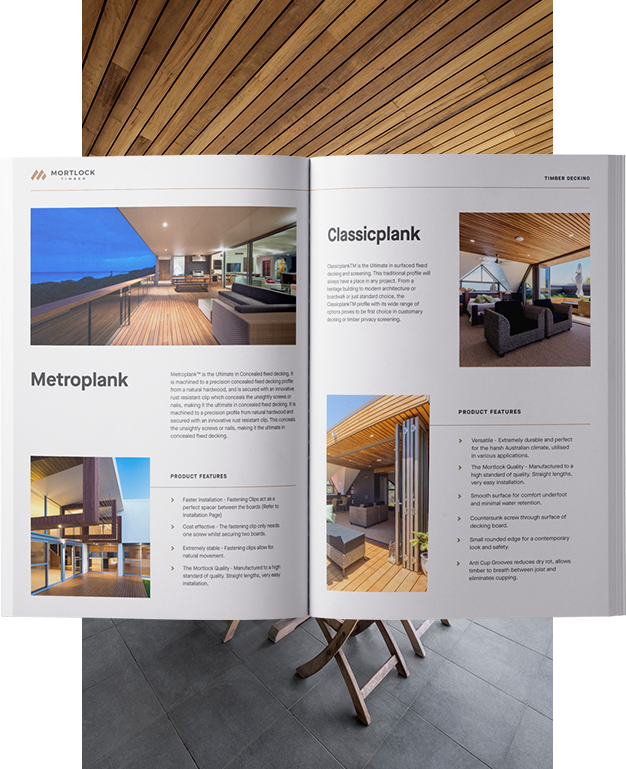
We are committed to bringing you timber products that add value and endure for years to come, even in heavy traffic and harsh weather conditions. We understand the value of efficiency when it comes to installation and keeping hardwood timber costs down. That’s why we’ve spent decades perfecting our designs to make them easier to handle, less wasteful and more efficient to install. This efficiency allows us to offer you premier products that are more cost-effective so that you can experience greater savings on timber wall costs, timber ceiling costs, timber cladding costs and timber decking costs.
Download our Pricing and Product Guide for our complete hardwood timber price list including timber decking prices, timber wall prices, timber ceiling prices and timber cladding prices.