
How to maintain Shou Sugi Ban charred timber
Key take aways
Shou Sugi Ban – a traditional Japanese method of charring timber with fire – is a popular choice in residential and commercial buildings across Australia. The black timber cladding is known for its striking appearance and sustainable processes.
However, what really makes Shou Sugi Ban stand out is its durability and longevity, even when exposed to the harsh Australian climate. Like any building material, there are a number of things you can do to ensure your timber lasts longer. At Mortlock Timber, we’ve spent years developing and refining our Shou Sugi Ban process to bring you a beautiful and durable product. Here’s our expert advice on enhancing the durability of this beautiful product so you can enjoy it for longer!
What’s the science behind durability?
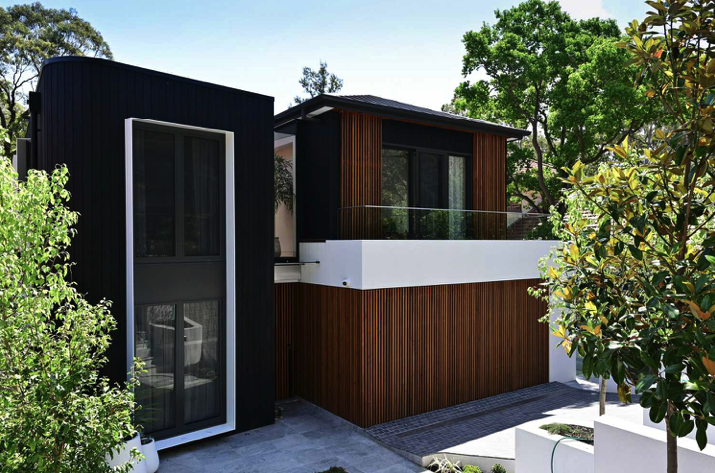
Although it may seem counterintuitive, the process of charring the timber actually makes it stronger and more durable. When performed by an experts in a controlled and repetable setting, the Shou Sugi Ban process harnesses the properties of fire to enhance the timber’s durability.
When a timber surface is directly exposed to high intensity fire, moisture trapped inside the timber is released and forms a dark carbon layer that sicks the surface of the wood. This carbon layer naturally protects the timber from external moisture and UV. It also great at naturally repelling termites, slugs and other insects that would otherwise love to enjoy a woody snack!
The result is a resilient timber cladding that can be used in both interior and exterior applications.

How long does Shou Sugi Ban last?
When manufactured at Mortlock Timber, our Shou Sugi Ban finish is highly durable. In fact, it tends to last longer than traditional non-charred oiled and stained timber cladding options.
The durability of charred timber comes from its carbonised surface layer. This layer forms a robust bonded barriers, unlike oils or coatings that sit on or within the timber.
The thickness of the char layer is critical. Thicker layers provide greater resistance to weathering, but over-charring can cause surface softness or splitting. Mortlock Timber carefully tailors the charring process to each species, achieving the deepest possible carbon layer while preserving the timbers structural integrity and stability.
Lifespan also depends on the timber species and the environment. UV exposure, rain, and coastal conditions will all accelerate ageing.
As timber weathers, deterioration begins at the surface. The char layer acts as a barrier, protecting the timber beneath and slowing wear over time. Although charred timber isn’t to immune to the elements, exposure will still lead to gradual aging over time.
Does Shou Sugi Ban require regular maintenance?
Myth: Charred timber does not need any maintenance.
Reality: Any timber exposed to the weather will need maintenance at some point. The good news is that Shou Sugi Ban or charred timber does last longer without maintenance than non-charred timber.
Looking after your charred timber cladding involves recoating it with oil. How regularly you should apply an oil coating depends on the species of timber used.
Choosing Shou Sugi Ban charred timber with standard coating
External Application
As a standard, we provide a factory-coat of premium Cutek Extreme CD50 Black Ash. This initial treatment along with a Black Ash colourtone serves as the foundation for safeguarding your timber investment.
To ensure enduring protection and maintain its stunning appearance, we advise applying a second coat of oil post-installation and for those opting for superior defence, a third coat is recommended within three to six months of installation.
For long-lasting beauty and resilience against varying weather conditions, it’s prudent to reapply Cutek Extreme CD50 every three to five years. Our maintenance regimen ensures your charred timber remains a captivating feature of your space for years to come.

Internal Application
This first coat of Cutek Extreme CD50 is completed inside our factory before the product is delivered to site. A second coat of Cutek Extreme CD50 should be applied once installation is complete.
Timber not exposed to weather will not normally need a second coat of oil. Where there is exposure to sunlight, a second coat of Cutek Extreme CD50 Colourtone, which includes UV protection, should be applied.
This is recommended to take place after installation and when the first coat has completely penetrated the timber and dried. This time taken for Cutek CD50 to diffuse into the timber varies significantly, depending on aspect, species, ambient temperature, porosity, and moisture content of the timber.

Choosing Shou Sugi Ban charred timber with WOCA coating
Maintaining Shou Sugi Ban Charred External Timber with WOCA Exterior Oil
This first coat of WOCA Exterior Oil is applied inside our factory before the product is delivered to site. This will provide the timber with its first layer of protection.
A second coat of WOCA Exterior Oil is recommended after installation of the timber product.
For WOCA Exterior oil, this two-coat application can last up to two years, before it needs to be evaluated based on the project’s variables.
These variables include exposure to the elements, location, elevation and where on the project the timber has been installed. Once the timber cladding has been out in the weather for two to three months, the weather will start to wash any loose particles off the exposed timber face reducing any ‘rub-off’ when touching the timber.

Maintaining internally installed Shou Sugi Ban charred timber with WOCA Exterior Oil
The first coat of WOCA interior oil is applied in our factory prior to delivery. This enhances the natural appearance of the timber while providing an initial level of protection.
A second coat of WOCA interior oil is recommended after installation to complete the system and ensure an even, consistent finish.
For internal applications, this two-coat system is long lasting, with maintenance typically only required as needed based on wear.
Factors such as foot traffic, handling, cleaning frequency, and the specific application will influence how the finish performs over time.
Which timber species are best for charring?
The choice of timber is crucial for determining the level of durability. As manufacturers, we have rigorously tested this product before bringing it to market, here is what we found!
Different timber species char differently depending on their density. Harder timbers like spotted gum take longer to char and have a thinner char layer. If you char spotted gum for too long the timber starts to warp.
Softer timbers like Burnt Ash char much quicker which means it has a thicker char layer.
However, timbers that are too soft – like pine and cedar – can char too quickly meaning they become brittle and the charred layer breaks off easily.
At Mortlock Timber, we offer three types of timber that can be used effectively for Shou Sugi Ban. These are Burnt Ash, Jarrah and Spotted Gum. Below we explain the advantages of each and how to care for them properly.
This maintenance guide below is for timber EXPOSED to the weather.
If you wish to use Shou Sugi Ban in areas NOT exposed to the weather, maintenance oil coating is not normally required, only general cleaning and care is needed.
1. Burnt Ash
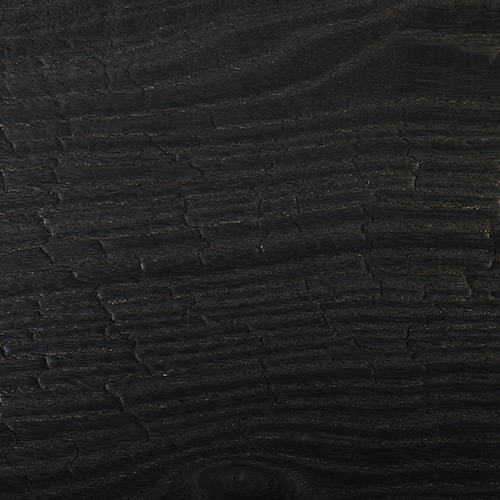
Burnt ash is thermally modified American White Ash. The thermal modification process increases the durability of American Ash which means it’s suitable for external use. Once thermally modified we call it Burnt Ash.
As Burnt Ash is extremely stable and has a medium-density it is the perfect timber for charring. It offers the right depth of char and requires the least amount of maintenance of our three options.
Once the cladding is installed, we recommend a second coat of oil is applied onsite, and a third coat when the project is completed on handover. The 2nd and 3rd coats need to be spaced 4-6 weeks apart to allow the oil to soak into the timber.
Whilst a maintenance coat is recommended every 3 years, Burnt Ash can last up to 5 years* without maintenance coats depending on the level of exposure to the weather and the location of the project.
2. Jarrah
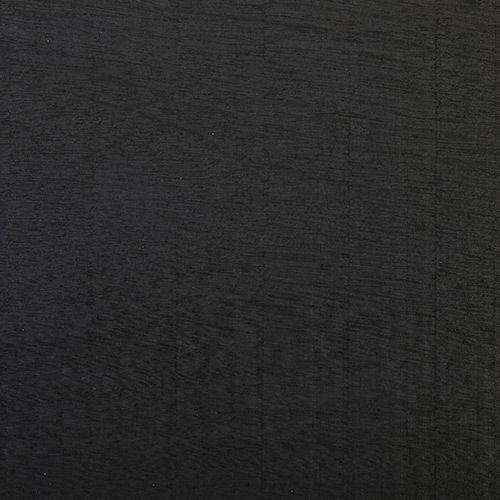
Jarrah is a medium density timber that provides an excellent charred surface. Jarrah is a good all-around option as it offers great value for money and it also meets BAL 19 fire rating.
As Jarrah is not as stable as Burnt Ash the char layer is not quite as deep as Burnt Ash and does require extra maintenance.
Jarrah Shou Sugi Ban is supplied with a factory coat of oil prior to delivery. Once the cladding is installed, we recommend a second coat of oil is applied with a third coat when the project is completed at handover. The 2nd and 3rd coats need to be spaced 4-6 weeks apart to allow the oil to soak into the timber.
Whilst a maintenance coat is recommended every 2.5-3 years, Jarrah can last up to 4 years* without maintenance coats depending on the level of exposure to the weather and the location of the project.
3. Spotted Gum
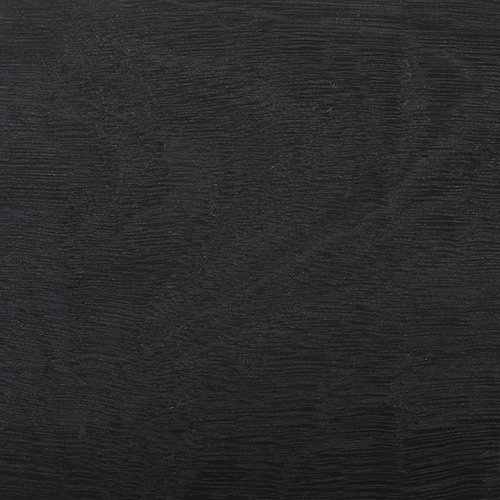
Spotted Gum is a high-density timber which means the charred surface is not as deep as Jarrah or Burnt Ash. Spotted Gum is mainly used where the project requires BAL 29 timber cladding.
Spotted Gum Shou Sugi Ban is supplied with a factory coat of oil prior to delivery. Once the cladding is installed, we recommend a second coat of oil be applied, and a third coat when the project is completed. The 2nd and 3rd coats need to be spaced 4-6 weeks apart to allow the oil to soak into the timber.
Whilst a maintenance coat is recommended every 2.5 – 3 years, Spotted Gum can last up to 4 years* without maintenance coats depending on the level of exposure to the weather and the location of the project.
Comparing timbers
| Timber | Burnt Ash | Jarrah | Spotted Gum |
| Image |  | 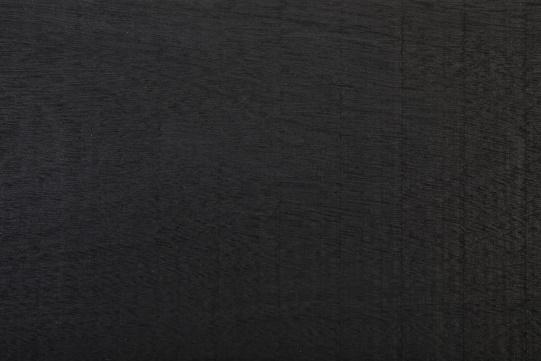 | 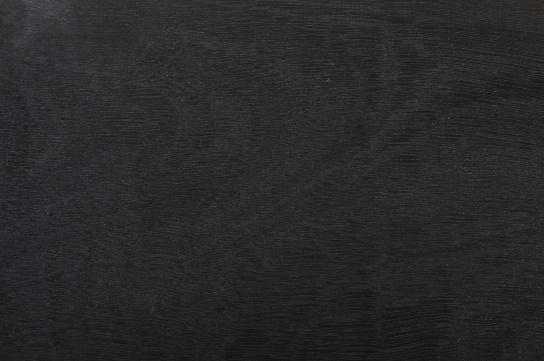 |
| Details | Cost: $$$ | Cost: $ | Cost: $$ |
Note: Burnt Ash is not charred timber, Burnt Ash is the timber species name. Burnt Ash with Shou Sugi Ban finish is charred timber.
*The time between maintenance coats is a general indication, time will depend on exposure to the weather and location of your project. It could be more OR less time as we’ve seen it last longer in some instances and need more maintenance than listed here in other times.
Need advice for your next project? The specialists at Mortlock Timber are here to help.
We manufacture all of our charred timber in our factory. Over several years, we have refined our process to ensure a consistent and durable finish every time.
For enquiries about Shou Sugi Ban Australia wide, get in touch with our team of timber specialists today.
FAQS
Charred timber can last longer than traditional timber cladding due to its protective carbon layer. Lifespan depends on timber species, installation environment and maintenance. Regular upkeep and refilling extend this performance.
Yes, charred timber requires maintenance. While it is lower maintenance than non-charred timber, periodic oiling is recommended to preserve appearance and extend durability.
Charred timber cladding offers improved durability, natural resistance to UV and moisture, and a unique architectural finish. It is suitable for both interior and exterior applications.
Yes, charred timber performs well in Australian environments. The carbon layer helps protect against harsh sun, rain and coastal conditions, although exposure levels will affect maintenance frequency.
Common timbers for Shou Sugi Ban include Burnt Ash, Jarrah and Spotted Gum. Each species offers different levels of density, stability and maintenance requirements, making selection dependent on the projects needs.
View our pricing and product guide
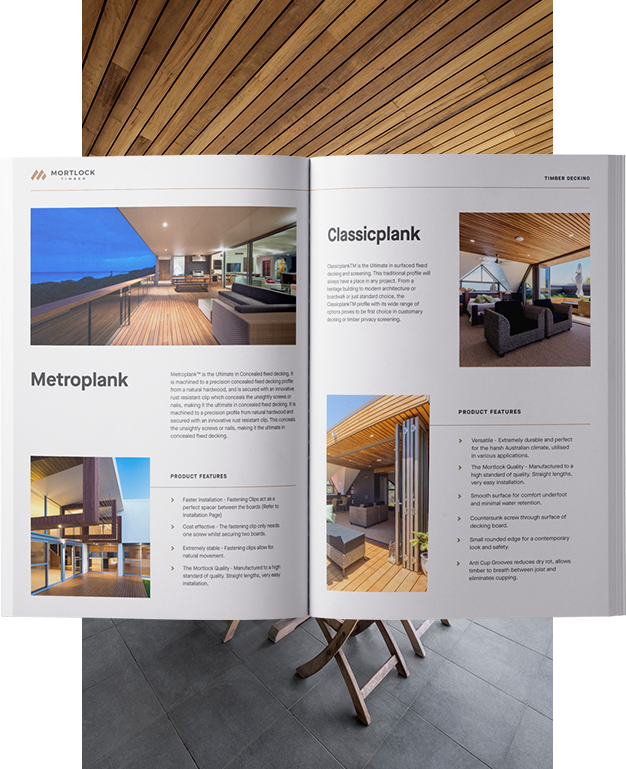
We are committed to bringing you timber products that add value and endure for years to come, even in heavy traffic and harsh weather conditions. We understand the value of efficiency when it comes to installation and keeping hardwood timber costs down. That’s why we’ve spent decades perfecting our designs to make them easier to handle, less wasteful and more efficient to install. This efficiency allows us to offer you premier products that are more cost-effective so that you can experience greater savings on timber wall costs, timber ceiling costs, timber cladding costs and timber decking costs.
Download our Pricing and Product Guide for our complete hardwood timber price list including timber decking prices, timber wall prices, timber ceiling prices and timber cladding prices.